<Back to news
14 Jan 2026
Back to School Confidence and Rebuilding Social Skills after the holidays.
Written by Erin Lamb
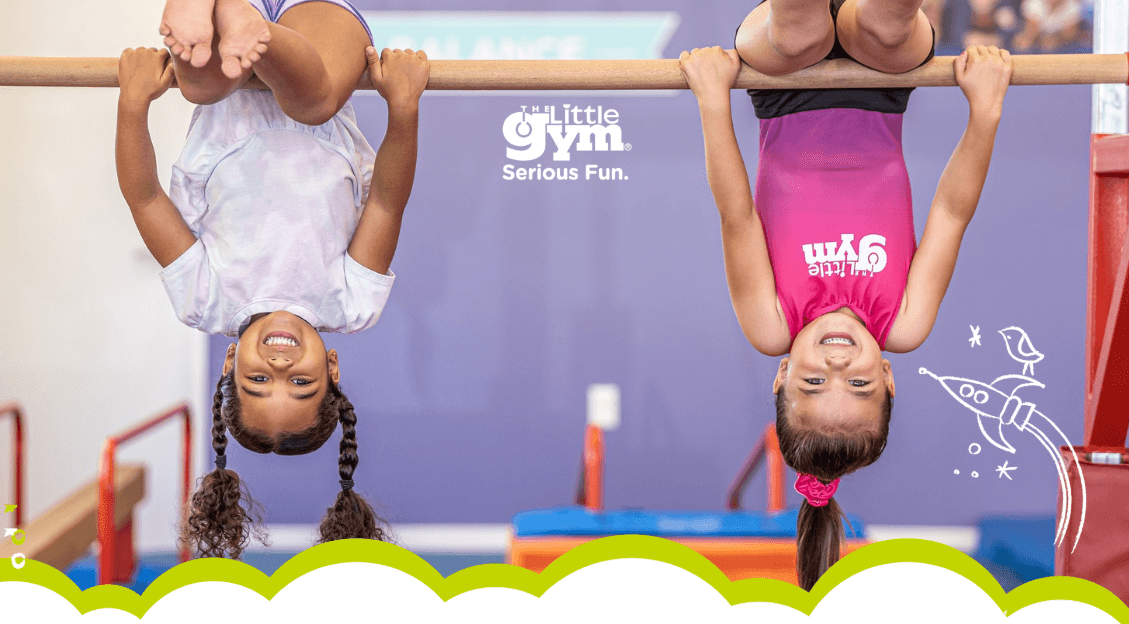
The return to school in January can feel surprisingly harder than September for many 4–5 year olds. After weeks of festive excitement, flexible routines, and lots of one to one attention from family, children are suddenly asked to listen, wait, take turns, and cooperate again in busy group settings. If your child feels a little more hesitant, emotional, or easily frustrated than usual, you’re not alone and it’s completely normal.
At The Little Gym, we see this transition every January, a Giggle Worms first class back is full of excitement and energy, however it can be tricky to readjust, when it comes to following instructions and being around each other. Their first class back is a great start for them to ease back into routine. Children easily rebuild social skills; taking turns, listening, and practicing confidence in a group setting, when they are given the right environment: one that feels familiar, playful, and safe.
Why social skills dip after the holidays
During the holidays, children often spend more time with adults than peers. They don’t need to wait their turn as often, conversations are led for them, and routines naturally loosen. When school restarts, the sudden expectation to listen to instructions, share space, and manage big feelings independently can feel overwhelming. Children don’t loose these skills, they just need time and practice to switch them back on.
How class structure supports social development
Giggle Worm classes are carefully structured to support this exact stage of development. Predictable routines help children feel secure, which is the foundation for confidence and positive social interaction.
Each class follows the same familiar flow, so children know what’s coming next. This reduces anxiety and allows them to focus on engaging with others rather than worrying about what might happen. Their group warm-up encourages listening and following instructions together. When they have started the class practising important tools such as listening and following in a big group, it encourages a calm and cooperative giggle worm, when they are given more independence during stations.
The next part and largest section of the class, is guided activity on the bar, beam and floor sections in the gym. The group follows an obstacle course with incorporated skills that they can do independently from the skill of focus. This freedom gives them independence to follow a course amongst each other. Some of the most important social learning happens in small, easily missed moments. It’s children matching a friend’s pace as they move through an activity, copying one another to learn new skills, or sharing equipment without being asked. It’s noticing when someone feels unsure or upset and responding with care, whether that’s offering space, help, or letting a teacher know.
These moments may seem small, but they carry lasting impact. They allow children to practise cooperation, patience, and awareness of others in real time. With repeated experiences like these, confidence grows naturally, helping children feel more secure taking part in group activities, both during class and as they return to the routines and expectations of school.
Rebuilding listening and focus through movement
For 4–5 year olds, listening improves when their bodies are engaged. Sitting still and paying attention for long periods can be difficult after the holidays, but movement helps children regulate their energy and emotions.
In Giggle Worm classes, instructions are short, clear, and paired with physical action. Children practise listening with purpose, moving, balancing, jumping, and exploring, rather than being expected to stay still. This helps them rebuild focus in a way that feels natural and achievable.
Confidence grows through achievable challenges
Confidence doesn’t come from being pushed, it comes from success. Activities in class are designed so every child can experience accomplishment at their own level.
When a child completes a skill, no matter how small, they receive encouragement not just from instructors, but from their peers. This shared celebration helps children feel capable and valued, strengthening both self-esteem and social confidence.
Skills that carry back into school
The turn-taking, listening, and cooperation practised in class directly support classroom life. Children become more comfortable raising their hand, waiting in line, working alongside others, and managing emotions when things don’t go exactly as planned. Perhaps most importantly, they learn that group settings can feel safe, supportive, and enjoyable.
A gentle reminder for parents; If your child feels a little wobbly socially this January, it doesn’t mean they’re struggling, it means they’re adjusting. With consistency, structure, and playful opportunities to connect, children quickly find their feet again.